Recognize
Celebrate pioneers, current leaders, and exceptional early-career investigators.
Innovation in Nuclear Medicine
The David E. Kuhl Foundation honors the extraordinary legacy of the “Father of Emission Tomography” and carries his transformative spirit forward through recognition, education, leadership, and research.
Our Purpose
The David E. Kuhl Foundation for Innovation in Nuclear Medicine (“The DEK Foundation”) honors the extraordinary legacy of Dr. David E. Kuhl, widely regarded as the “Father of Emission Tomography.” Dr. Kuhl invented pioneering cross-sectional emission-imaging methods and developed tomographic instruments that led directly to the creation and evolution of modern SPECT and PET. These transformative technologies have become indispensable to modern medicine and healthcare and are essential to the diagnosis, treatment planning, and management of disease across oncology, neurology, cardiology, and general medicine. Through his remarkable vision and ingenuity, Dr. Kuhl fundamentally changed how we see, understand, and treat disease, improving and saving countless lives worldwide.
The David E. Kuhl Foundation carries Dr. Kuhl’s innovative and transformative spirit forward by inspiring and supporting the next generation of physicians, scientists, and engineers. Established exclusively for charitable, educational, and scientific purposes, the Foundation seeks to elevate the global recognition of nuclear medicine, celebrate its pioneers and current leaders, and cultivate promising early-career investigators.
By recognizing leaders in the field and supporting groundbreaking research, the DEK Foundation will help transform bold ideas in science and engineering into meaningful advances in patient care and human lives. Connecting the field’s distinguished legacy with its emerging talent, the Foundation is building a future in which innovation in nuclear medicine continues to expand knowledge, improve health, and benefit people around the world.
Celebrate pioneers, current leaders, and exceptional early-career investigators.
Organize educational events and advanced training opportunities.
Promote principled leadership across the field of nuclear medicine.
Raise and distribute funds in support of innovative scientific research.
A Transformative Legacy
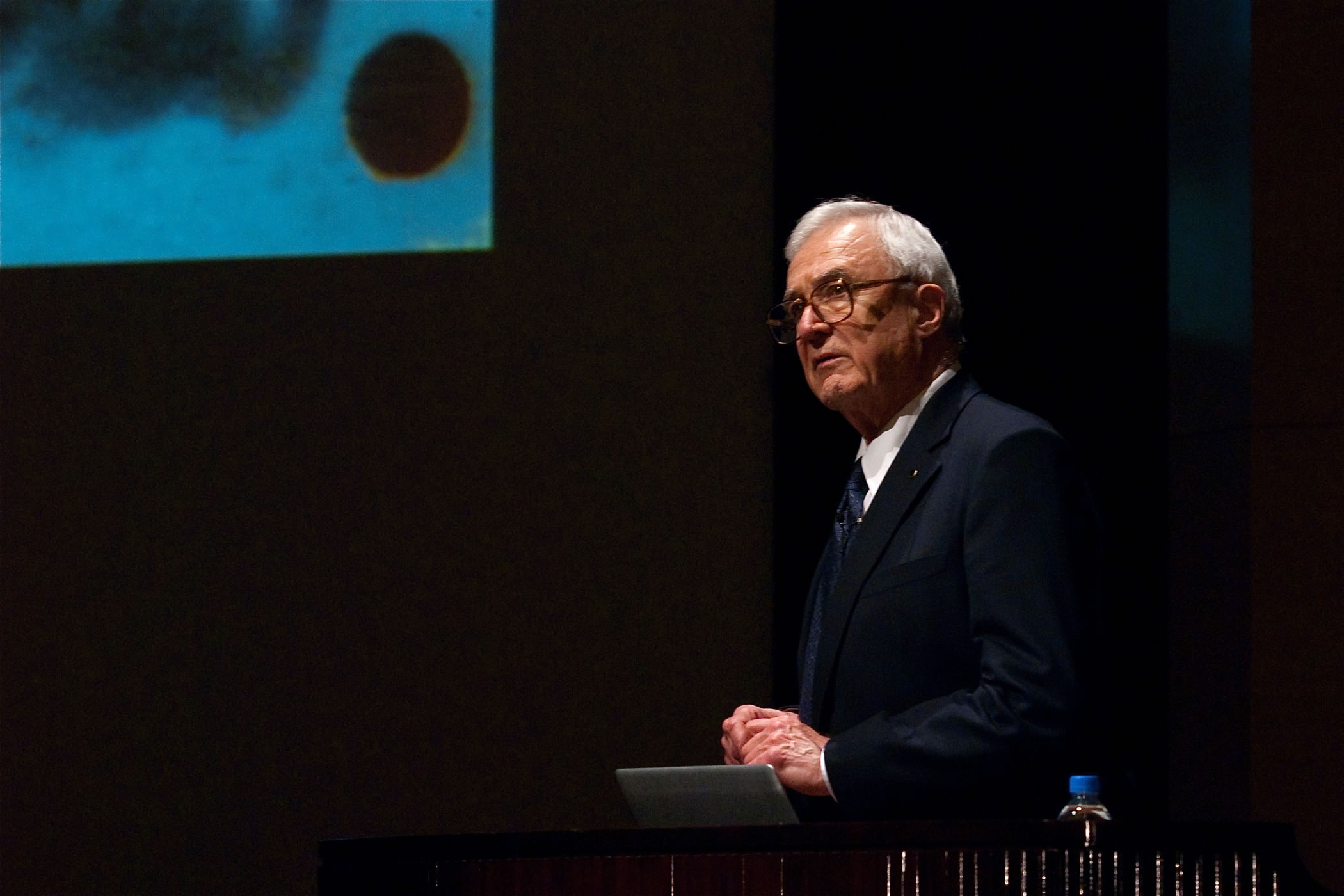
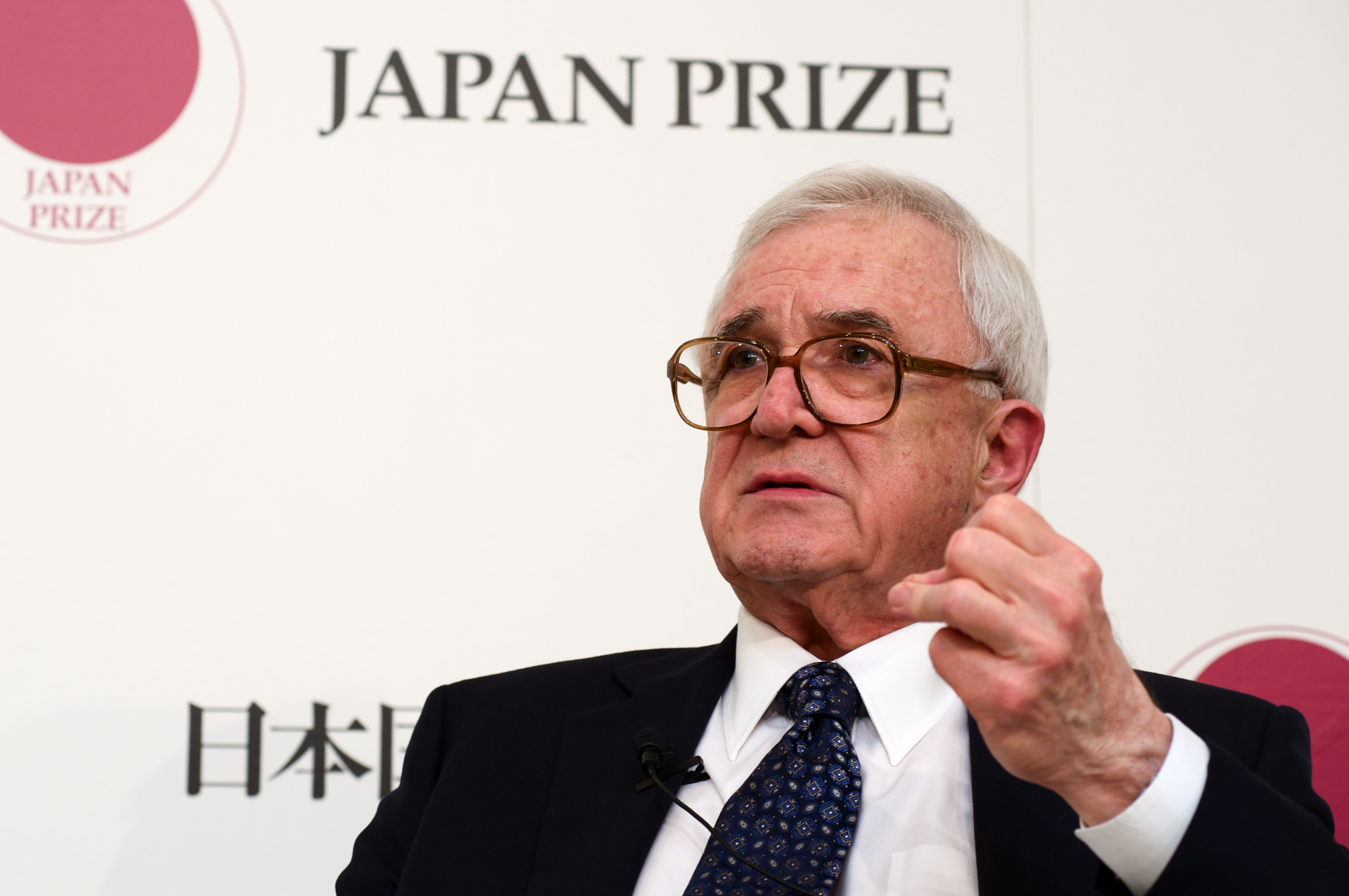
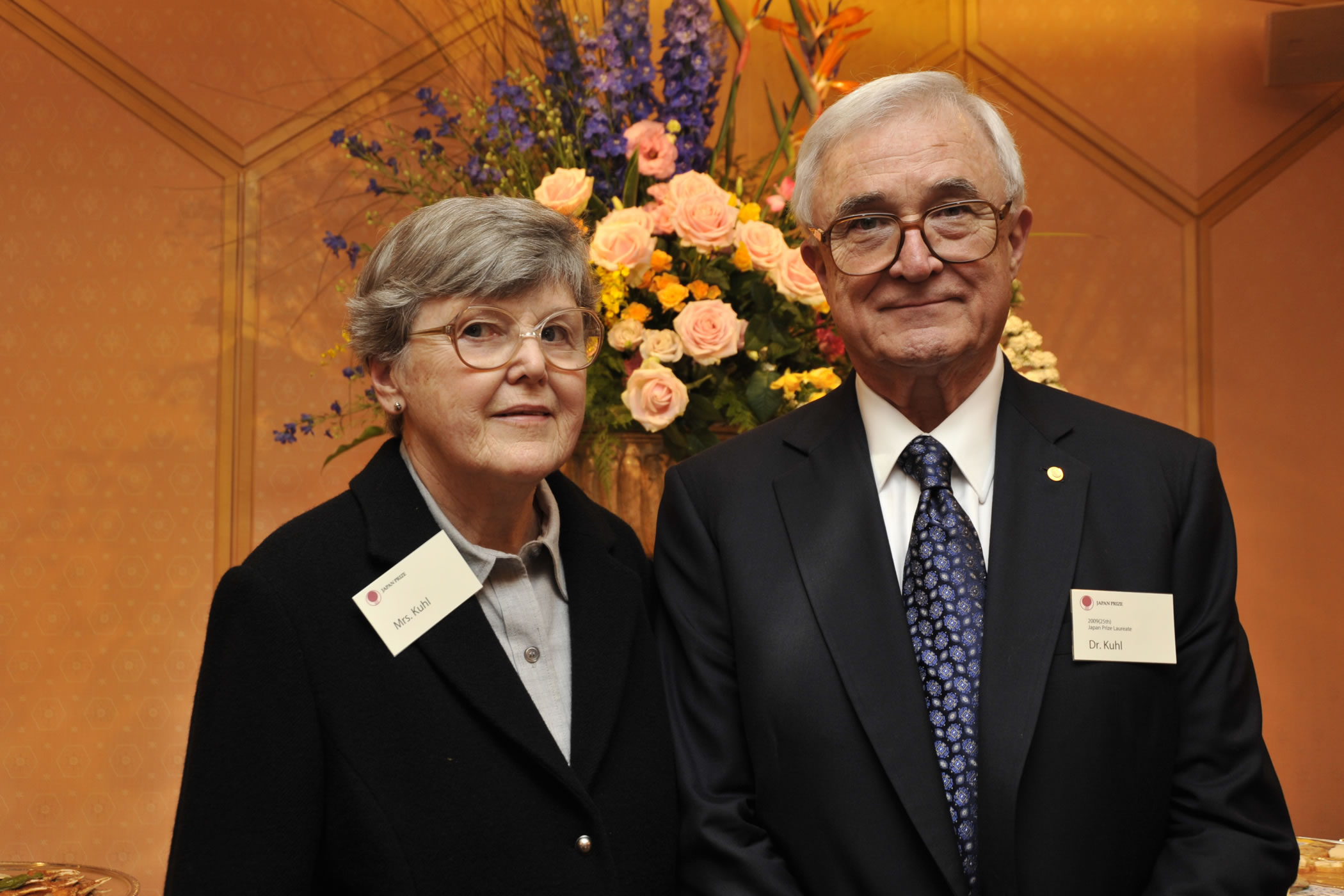
David E. Kuhl (1929–2017) was a physician-scientist who was born in St. Louis, Missouri, and whose career transformed nuclear medicine and helped establish modern functional and molecular imaging. After earning a bachelor’s degree in physics from Temple University in 1951, he received his medical degree from the University of Pennsylvania in 1955 and completed his radiology training there. He subsequently advanced through the faculty ranks at Penn, becoming professor of radiology and chief of the Division of Nuclear Medicine. In 1976, he moved to the University of California, Los Angeles, where he led nuclear medicine and held senior academic and administrative positions. In 1986, he joined the University of Michigan as chief of nuclear medicine and director of its PET Center, helping make Michigan an internationally prominent center for positron-emission tomography. He remained active there until his retirement in 2011.
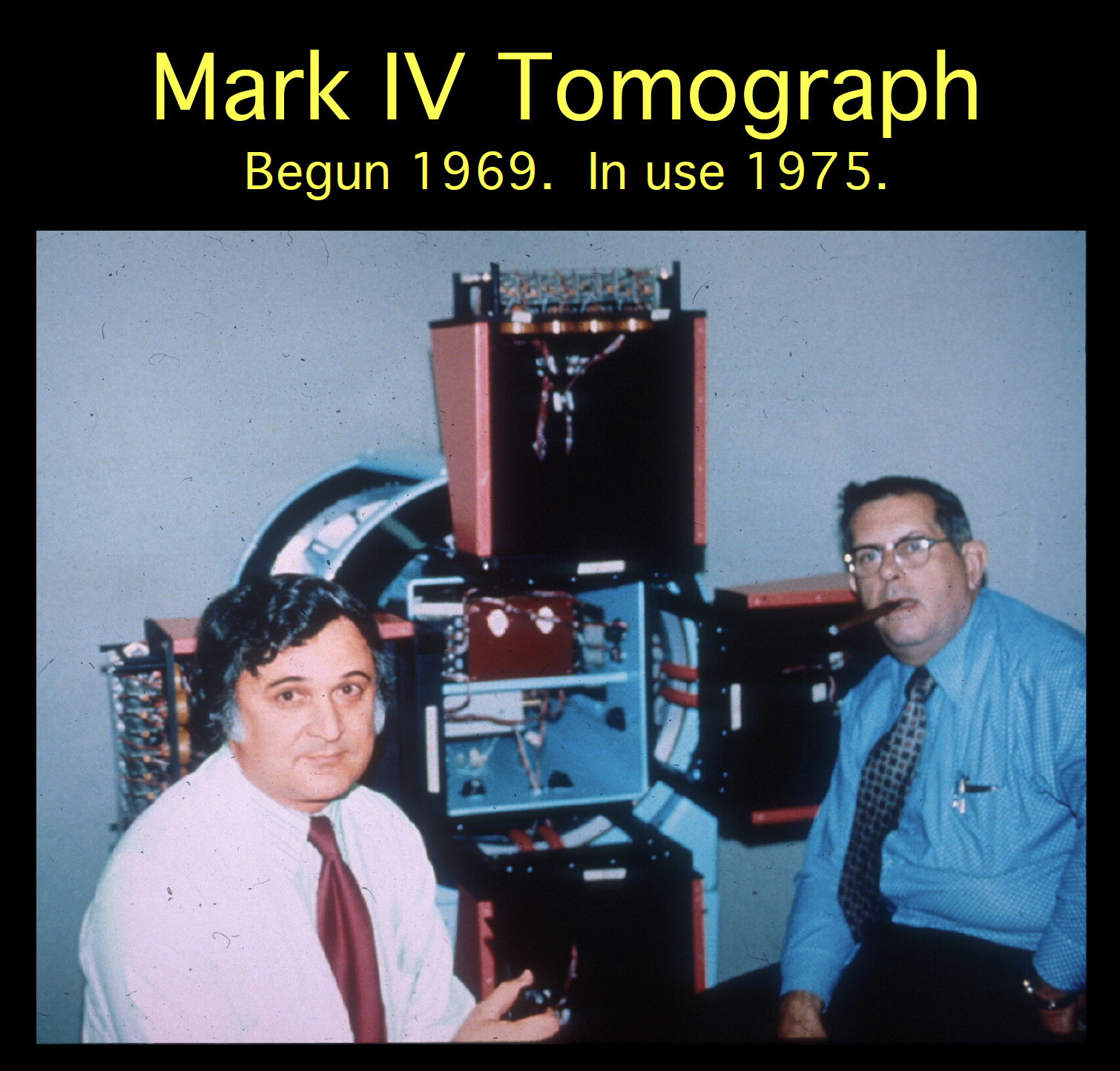
Kuhl’s defining achievement was the development of practical emission tomographic imaging. Beginning in the late 1950s, he devised methods for reconstructing cross-sectional images from measurements of radioactive tracers inside the body. Working with engineers and other scientists, he developed a succession of increasingly sophisticated SPECT instruments, including the Mark II, Mark III, and Mark IV, and demonstrated transaxial imaging in living patients before the introduction of X-ray computed tomography. His work showed that radionuclide imaging could do more than depict anatomy: it could measure regional physiology, including cerebral blood volume, blood flow, metabolism, and neurochemical activity in three dimensions. These innovations earned him recognition as the “Father of Emission Tomography.”
His work transformed radionuclide imaging from a way to depict anatomy into a means of measuring living physiology, metabolism, blood flow, and neurochemistry in three dimensions.
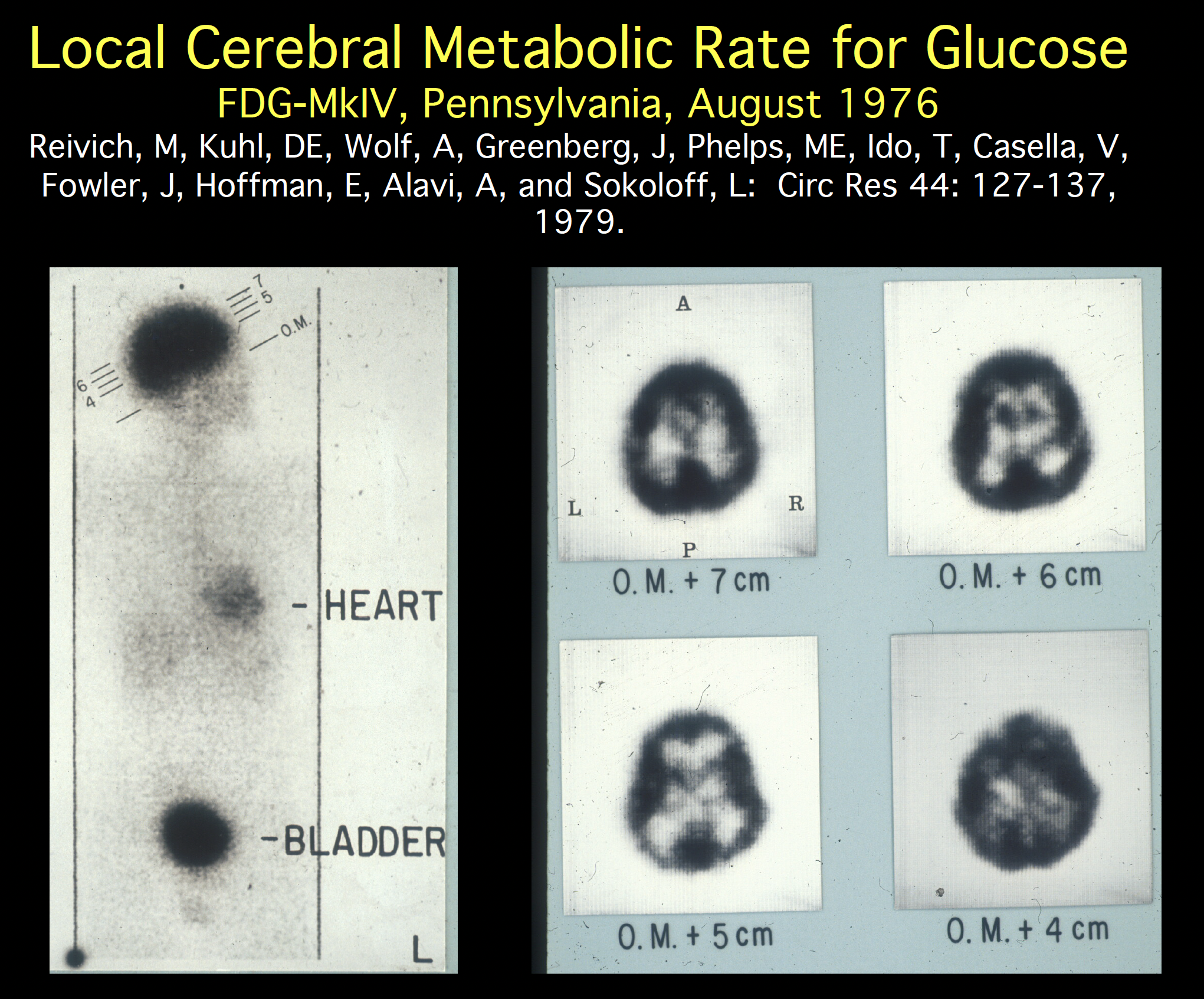
Kuhl also played a pivotal role in establishing fluorodeoxyglucose, or 18F-fluorodeoxyglucose (FDG), as a tracer for studying human metabolism. In collaboration with scientists at the National Institute of Mental Health and Brookhaven National Laboratory, his group, which included Dr. Abass Alavi, Chairman of the DEK Foundation, used FDG to produce the first tomographic image of glucose metabolism in the human brain in 1976. FDG subsequently became the most widely used tracer in PET, enabling clinicians to identify abnormal metabolic activity in the brain, heart, and tumors. Kuhl and his colleagues applied these techniques to conditions such as epilepsy, stroke, Alzheimer’s disease, and cancer. His innovations helped move PET and SPECT from experimental technologies into indispensable clinical tools used throughout neurology, cardiology, and oncology.
Through his combination of medicine, physics, engineering, radiochemistry, and neuroscience, Kuhl changed how physicians observe disease in living patients. His work laid much of the conceptual and technical foundation for contemporary molecular imaging, including today’s integrated PET/CT and PET/MRI systems. He was also a founding member of the Society of Nuclear Medicine, now known as the Society of Nuclear Medicine and Molecular Imaging. His legacy continues through the clinical practices he helped establish, the researchers he trained, and the David E. Kuhl Collegiate Professorship at the University of Michigan.
International Recognition
These honors reflect the unusually broad influence of Kuhl’s work across nuclear medicine, radiology, neuroscience, biomedical engineering, mental-health research, and cancer diagnosis.
Society of Nuclear Medicine
Jung Foundation, Hamburg, Germany
Indiana University
American College of Physicians
National Institutes of Health
National Academy of Sciences
Loyola University Chicago
Society of Nuclear Medicine
Society of Nuclear Medicine
Radiological Society of North America
General Motors Cancer Research Foundation
Japan Prize Foundation
Recognizing Emerging Leadership
The David E. Kuhl Foundation recognizes exceptional physicians, scientists, and engineers whose visionary work is advancing the field of nuclear medicine by designating them as David E. Kuhl Distinguished Scholars. Nominated annually by the Foundation’s Board of Directors, these distinguished individuals represent the next generation of leaders whose innovation, scientific excellence, and commitment to improving patient care reflect the transformative legacy of Dr. David E. Kuhl.
With Gratitude
The David E. Kuhl Foundation gratefully recognizes the individuals, families, organizations, and partners whose generosity makes our mission possible. Their support honors Dr. Kuhl’s extraordinary legacy and his contributions to modern healthcare while advancing education, leadership development, professional recognition, and innovative research in nuclear medicine. Together, our supporters help inspire the next generation of physicians, scientists, and engineers and transform bold ideas into meaningful improvements in human health. We welcome other visionary leaders to join this distinguished community and help advance our mission.
Foundation Leadership
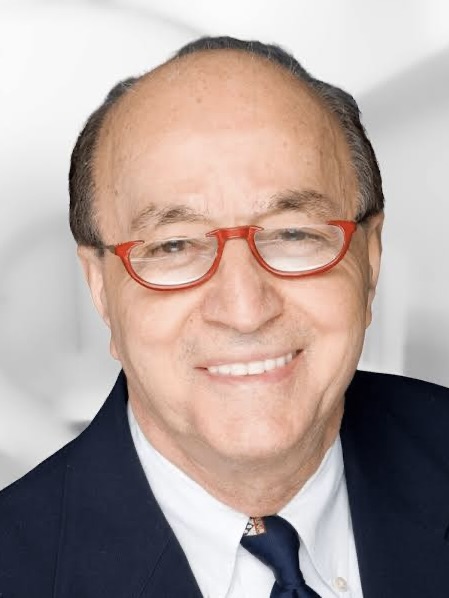
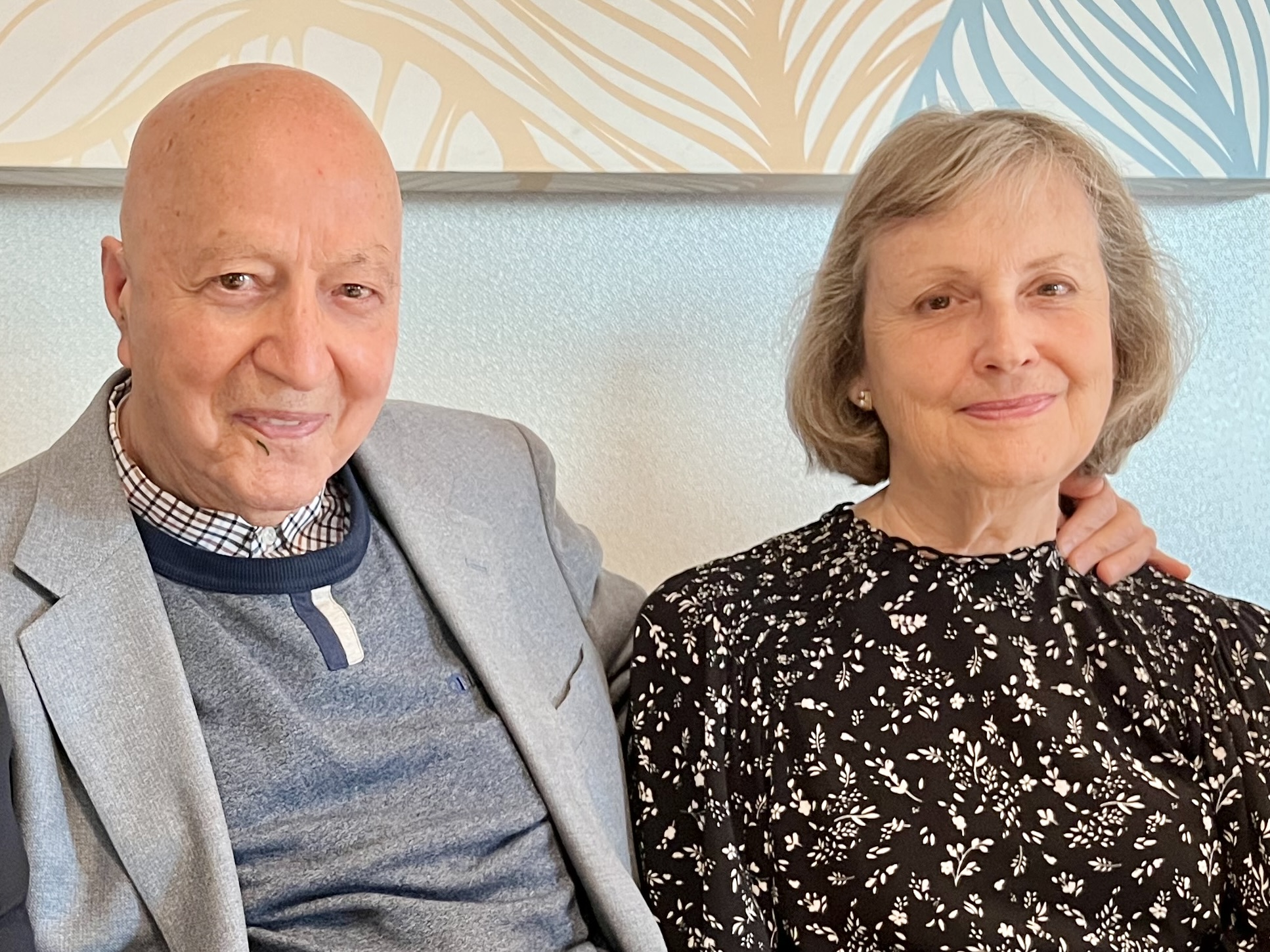
Chairman
Professor, University of Pennsylvania
Philadelphia, Pennsylvania, U.S.A.
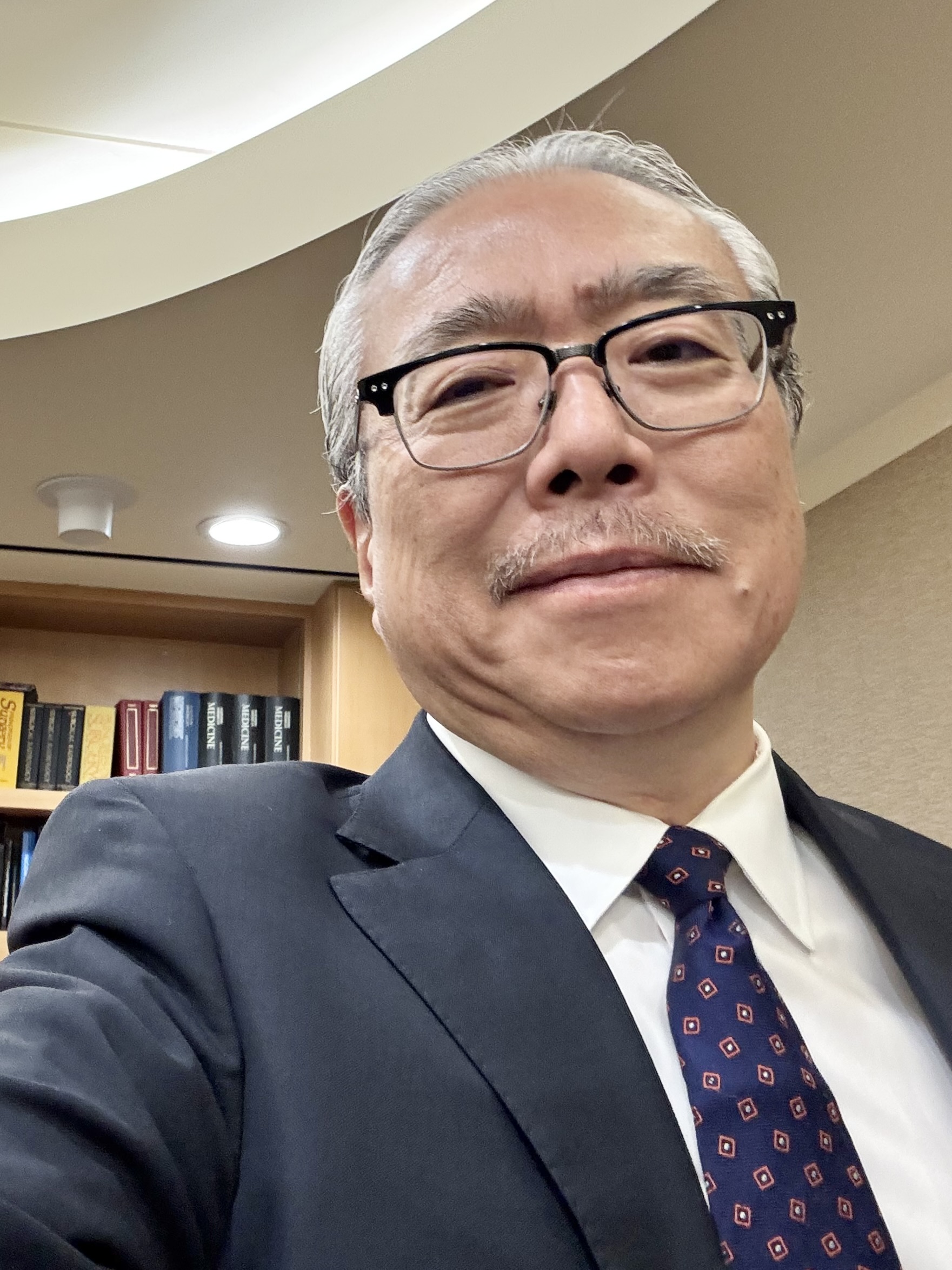
President
Professor, University of Utah
Salt Lake City, Utah, U.S.A.
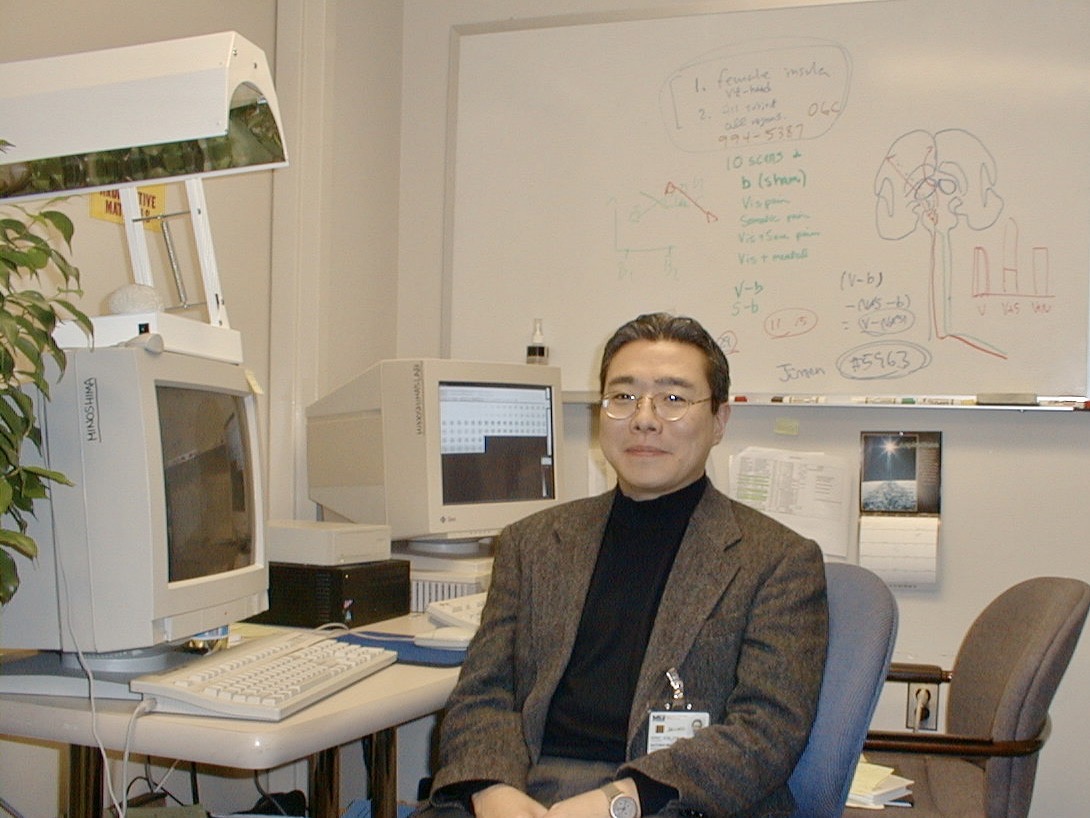
Director, Integrative Brain Imaging Center
National Center for Neurology and Psychiatry
Tokyo, Japan

Secretary / Treasurer
University of Utah
Salt Lake City, Utah, U.S.A.
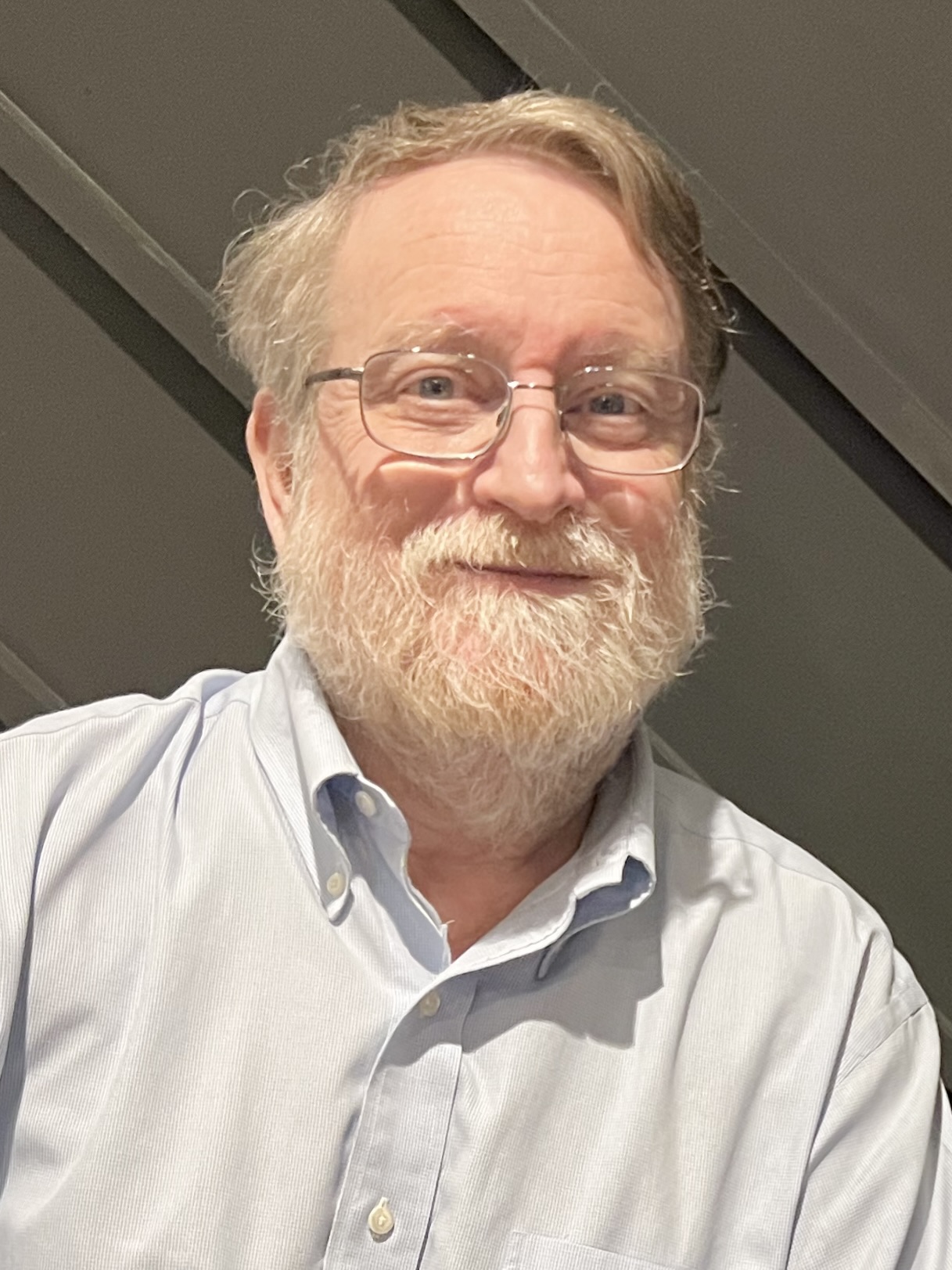
Board of Directors
Professor, University of Michigan
Ann Arbor, Michigan, U.S.A.

Board of Directors
CEO, Molecular Imaging, Siemens
Knoxville, Tennessee, U.S.A.

Board of Directors
Professor, University of Utah
Salt Lake City, Utah, U.S.A.
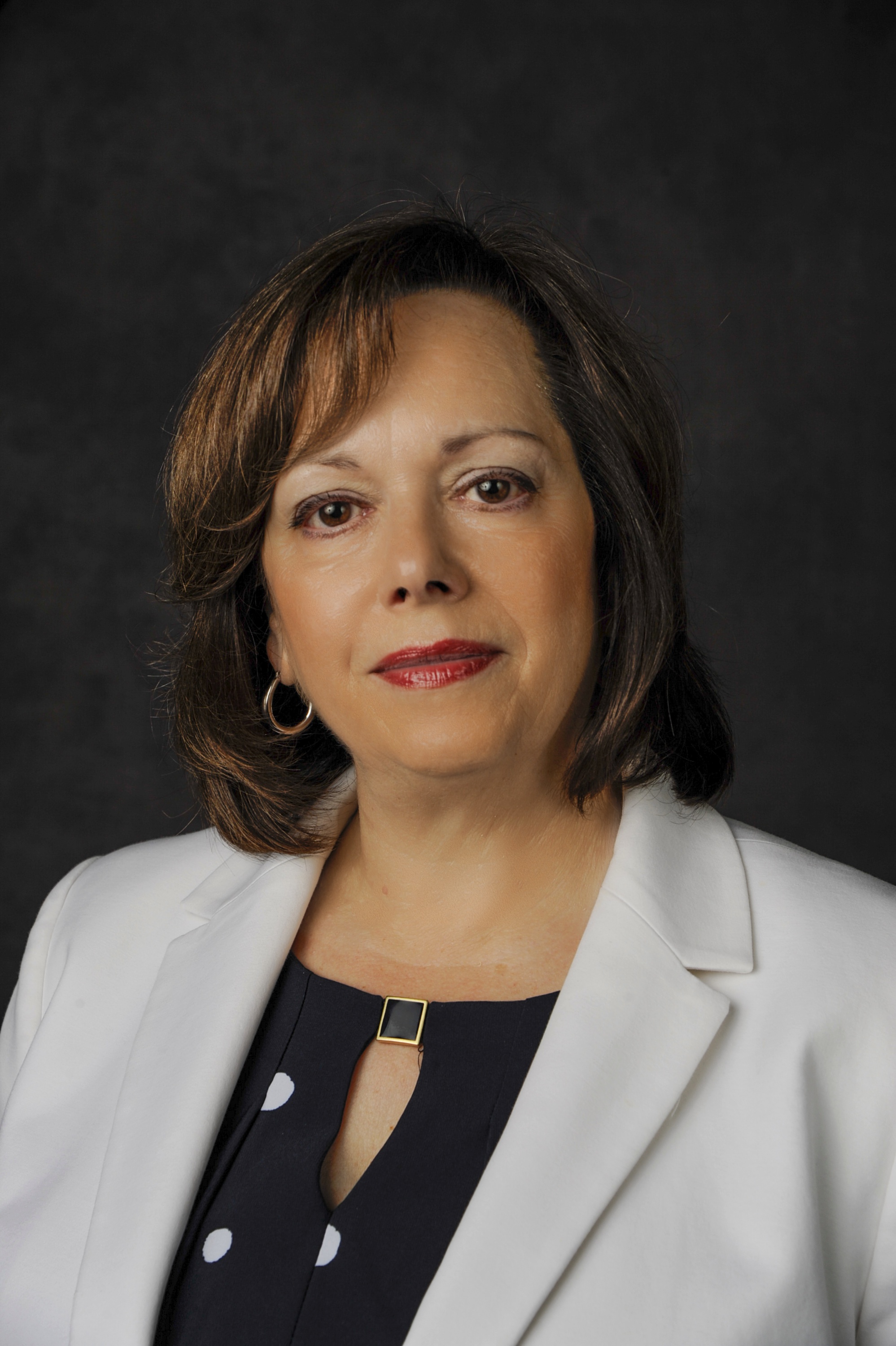
Board of Directors
CEO, Society of Nuclear Medicine and Molecular Imaging (SNMMI)